The Center on Modernity in Transition exists to help build the intellectual foundations this moment requires.
We live in a moment of extraordinary change, a moment without historical precedent. A hallmark of this moment is the increasing consciousness that humankind is a single people inhabiting a single planetary home. Yet humanity faces a variety of pressing crises, each causing untold levels of dispossession, dislocation, and despair. We believe these crises reflect a mismatch between the needs of our present age and many of the basic ideas upon which modern societies are built: we inhabit a world bound together by shared ecologies, economies, and fates, yet it is still governed by ideas that treat separateness as fundamental. This age of transition calls for fundamental changes, not just to policies and socio-economic structures, but at the level of thought itself.
What Is Human Oneness?
COMIT treats the concept of human oneness as more than a moral aspiration or a call for unity. By human oneness we mean that humanity is, in a fundamental sense, a single people: not despite our differences, but alongside them. Just as the organs of a body are distinct yet inseparable from the whole, human beings and communities are diverse yet bound together in ways that make each person's wellbeing connected to everyone else's. We share a planet, a biosphere, and an increasingly intertwined set of economic, political, and social systems. What happens in one part of the world shapes what is possible in another. No nation, community, or individual can finally stand outside this web of interdependence.
We recognize that this is not a new idea. But we believe it has become newly urgent, and that taking it seriously as an organizing principle, rather than a vague sentiment, can open new ways of thinking about the challenges humanity faces.
Our Research
COMIT pursues a research agenda organized around a single conviction: that inquiry beginning from the reality of human oneness can transform how humanity understands itself and orders its common life. Guided by this principle and a vision of a more just, peaceful, and prosperous world society, we examine the conceptual foundations of modern civilization and seek to constructively transform them. We strive to transcend the dichotomies that have come to characterize modern thought: between the oneness and diversity of human beings, between human prosperity and ecological flourishing, between scientific advancement and the spiritual heritage of humankind. Our aim is to elaborate a fresh and compelling vision of what human relations could become.
Explore our research areas →Our Approach
COMIT's approach to inquiry follows directly from its subject matter: if human oneness is real, then the methods through which we seek to understand it must themselves reflect that reality.
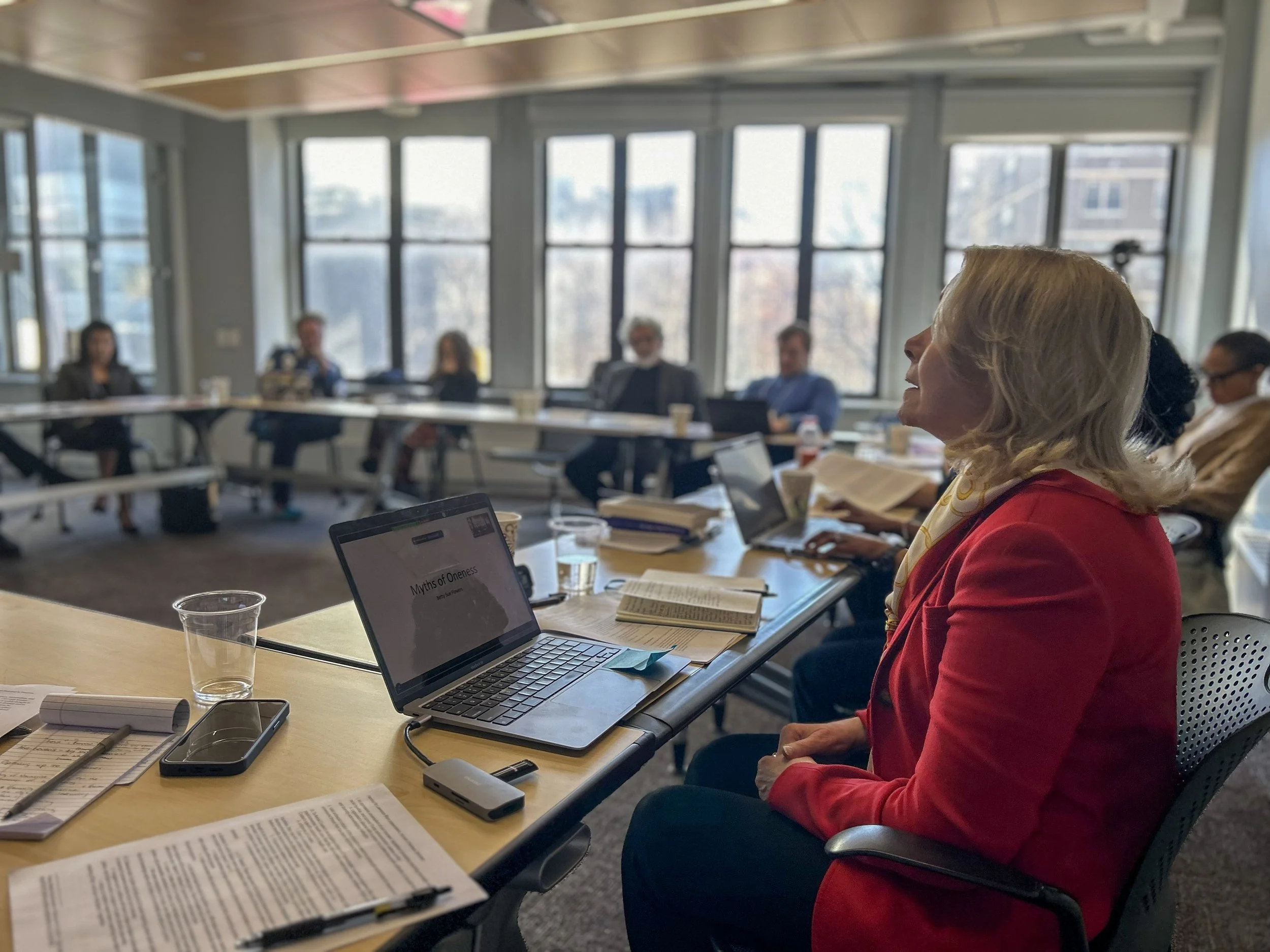
Consultation
A disciplined form of collaborative inquiry, in which participants treat their views as contributions to a shared search rather than positions to be won.
Consultation differs in important ways from conventional academic debate or interdisciplinary work. Most scholarly exchange begins with individuals defending positions they have already formed. Consultation begins differently: participants gather around a common question and ask what each person is able to perceive. Disagreement becomes a resource for deeper understanding rather than a contest of competing claims.
This requires specific qualities in relation to both ideas and people. In relation to ideas: truthfulness, intellectual humility, and the courage to revise one's views. In relation to people: patience, trust, and genuine openness to being changed by what one hears. These are not merely social niceties; trust and frankness are epistemic conditions. They allow participants to think aloud, admit uncertainty, and remain open to insight from unexpected directions.
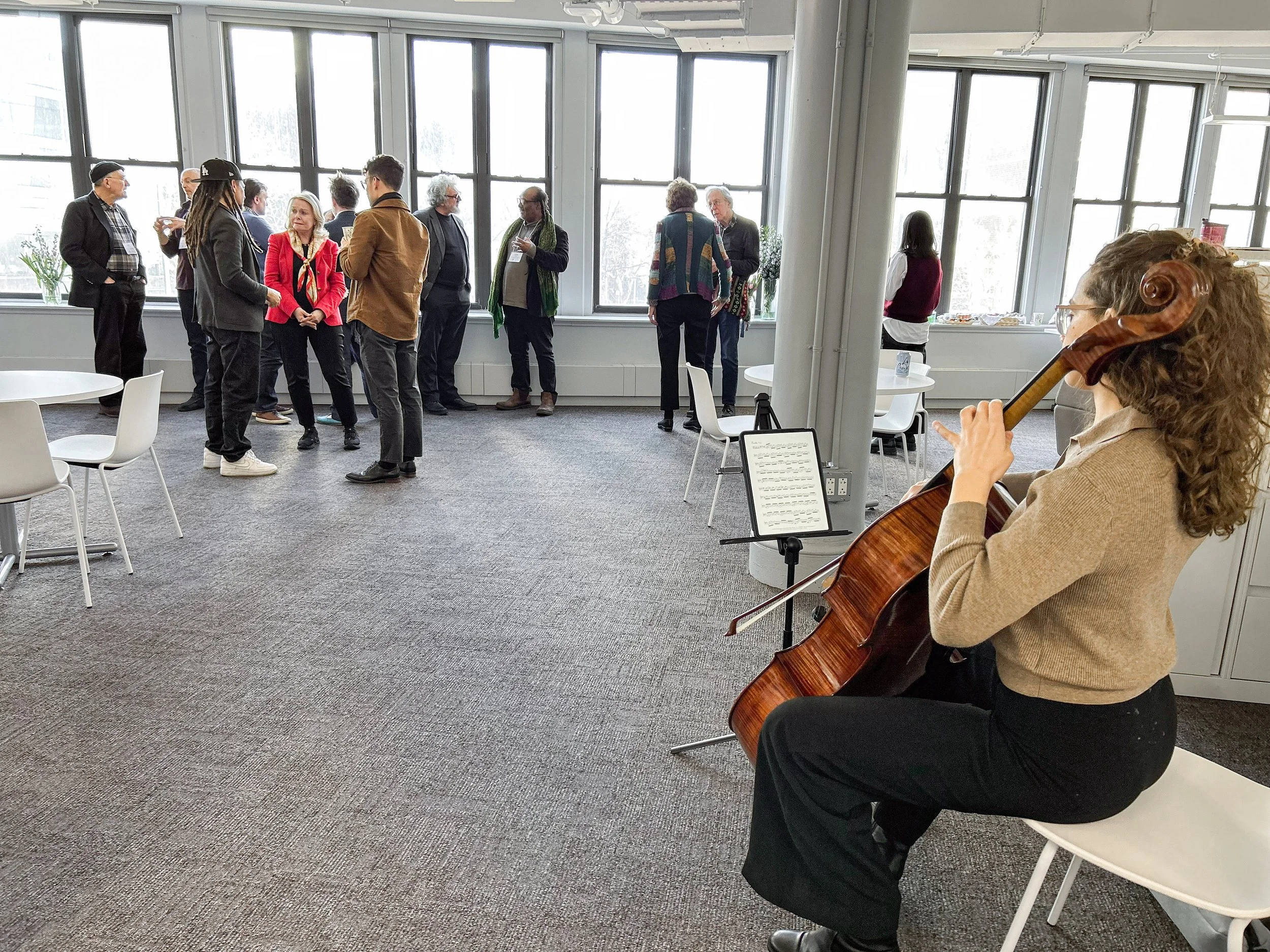
Cultivating the Conditions for Inquiry
The quality of attention, the trust among participants, and the atmosphere of a gathering are not incidental to the work. They shape what becomes intellectually possible.
In practice, this means being deliberate about how gatherings are designed: who is in the room, how much time participants have together, and whether relationships can develop over multiple encounters rather than a single event. It means creating space for the kind of unhurried exchange that traditional conferences and seminars rarely allow.
And it means attending to the texture of shared life (meals together, music, beauty) as genuine contributors to the quality of thought. A community that knows how to be together well tends to think together well. COMIT seeks to build that kind of community.
What We Do
Public Conversations
Speaker series, book talks, and public events that open COMIT's inquiries to broader audiences.
Explore →Workshops and Symposia
Small, intensive gatherings where scholars engage in deep collaborative exploration.
Explore →Publishing
Through Pivot Press, our open-access imprint, we give emerging ideas durable and freely accessible form.
Explore →PhD Academy and Fellowships
Accompanying early-career scholars whose work engages the questions at the heart of our research.
Explore →