Reimagining the University in Times of War

Speakers
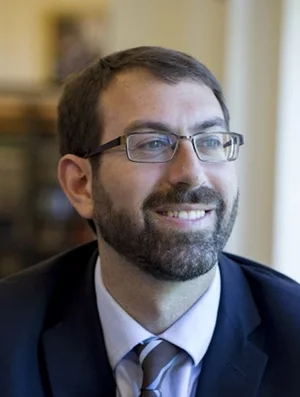
Samuel Moyn
Samuel Moyn is Chancellor Kent Professor of Law and History at Yale University. He has written several books in his fields of European intellectual history and human rights history, including The Last Utopia: Human Rights in History (2010). His most recent books are Not Enough: Human Rights in an Unequal World (2018) and Humane: How the United States Abandoned Peace and Reinvented War (2021).
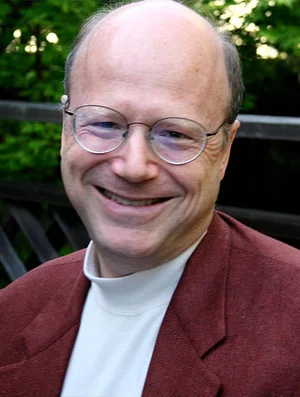
Malachi Hacohen
Malachi Hacohen is Professor of History at Duke University and Director of the Religions and Public Life Initiative at the Kenan Institute for Ethics at Duke. His book Karl Popper – The Formative Years, 1902–1945 won the American Historical Association’s Herbert Baxter Adams Prize in 2001. His recent book Jacob & Esau: Jewish European History Between Nation & Empire won the Center for Austrian Studies biennial book prize in 2020.
Moderators
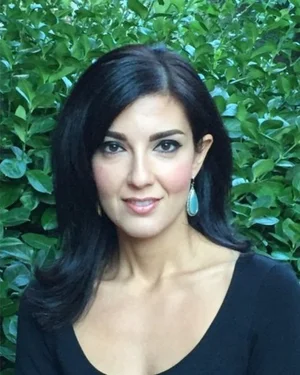
Shahrzad Sabet
Shahrzad Sabet is Co-Director of the Center on Modernity in Transition (COMIT) and a Fellow at New York University’s Institute for Public Knowledge. Her current book project, which spans a variety of disciplines, makes the case for a reimagined universalism that reconciles the oneness and the diversity of humankind.
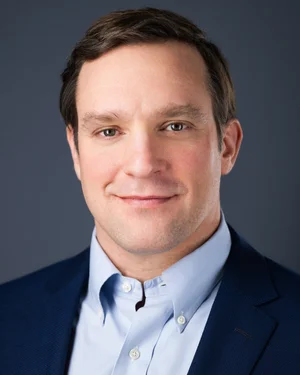
Benjamin Schewel
Benjamin Schewel is Co-Director of the Center on Modernity in Transition (COMIT). He is the author of Seven Ways of Looking at Religion (2017) and is currently working on a second book, Encountering the Axial Age, both from Yale University Press.