
What Makes Humanity? Identities, Relationships, and a New Cosmopolitanism

Speakers
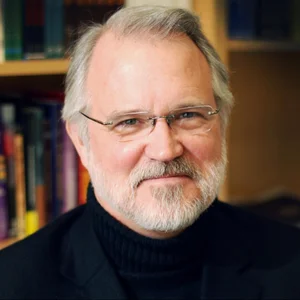
Craig Calhoun
Craig Calhoun is University Professor of Social Sciences at Arizona State University. Previously, he was president of the London School of Economics and Political Science (LSE) and the Social Science Research Council (SSRC). He is the author of Neither Gods Nor Emperors: Students and the Struggle for Democracy in China (1997), Degenerations of Democracy (2022), and the forthcoming Cosmopolitanism and Belonging: From European Integration to Global Hopes and Fears.

David A. Palmer
David A. Palmer is Professor jointly at the Hong Kong Institute for the Humanities and Social Sciences and in the Department of Sociology at the University of Hong Kong. He is co-author of The Religious Question in Modern China (2010) and Dream Trippers: Global Daoism and the Predicament of Modern Spirituality (2017), and author of Qigong Fever: Body, Science and Utopia in China (2007).
Moderators
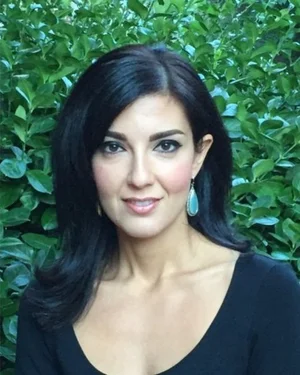
Shahrzad Sabet
Shahrzad Sabet is Co-Director of the Center on Modernity in Transition (COMIT) and a Fellow at New York University’s Institute for Public Knowledge. Her current book project, which spans a variety of disciplines, makes the case for a reimagined universalism that reconciles the oneness and the diversity of humankind.
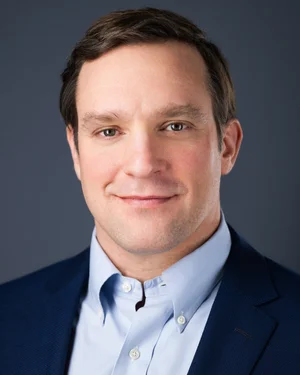
Benjamin Schewel
Benjamin Schewel is Co-Director of the Center on Modernity in Transition (COMIT). He is the author of Seven Ways of Looking at Religion (2017) and is currently working on a second book, Encountering the Axial Age, both from Yale University Press.