Seminar on Human Oneness
About the Seminar
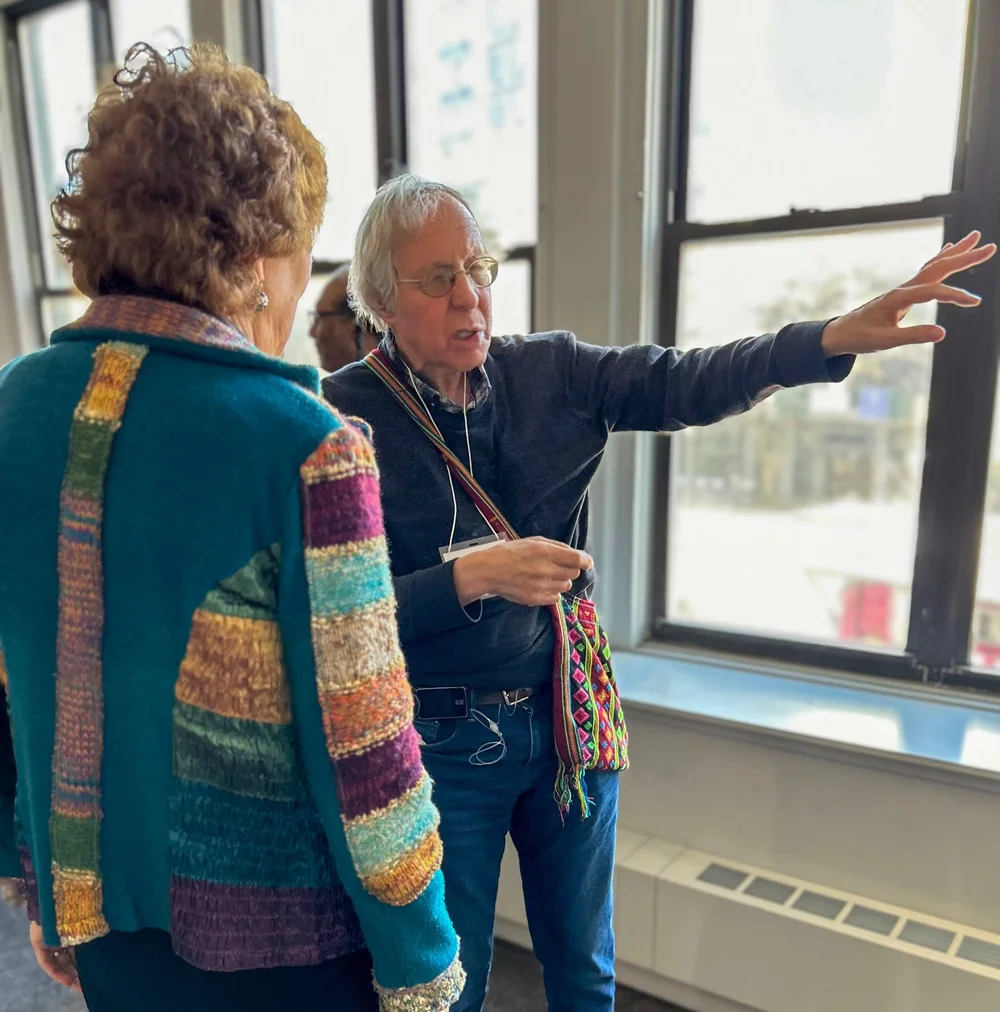
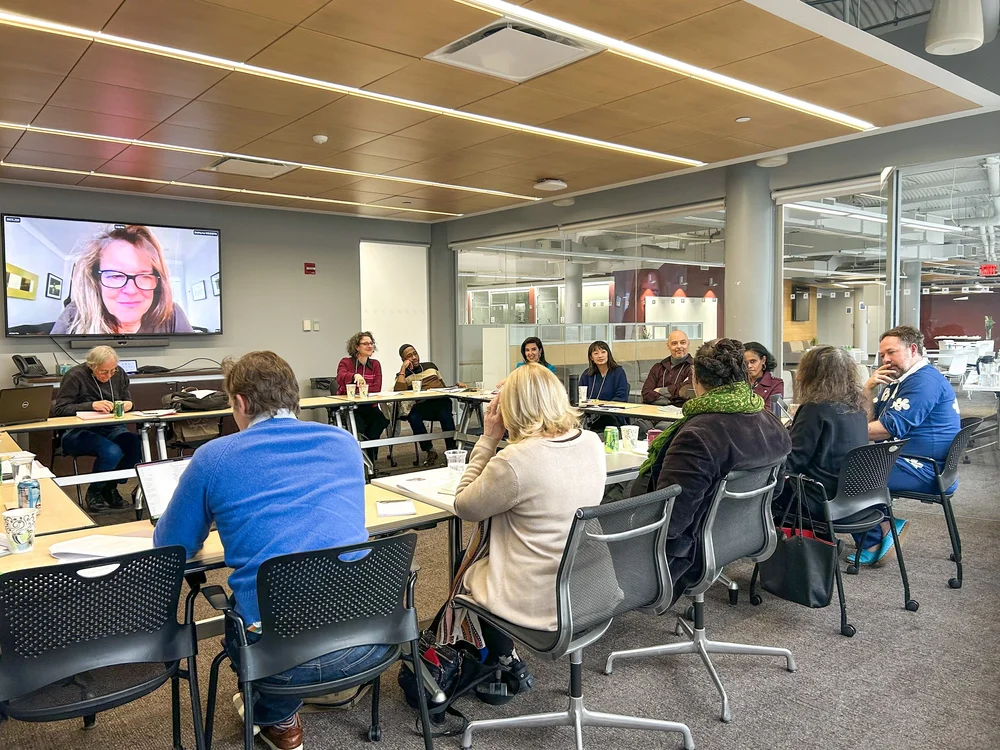
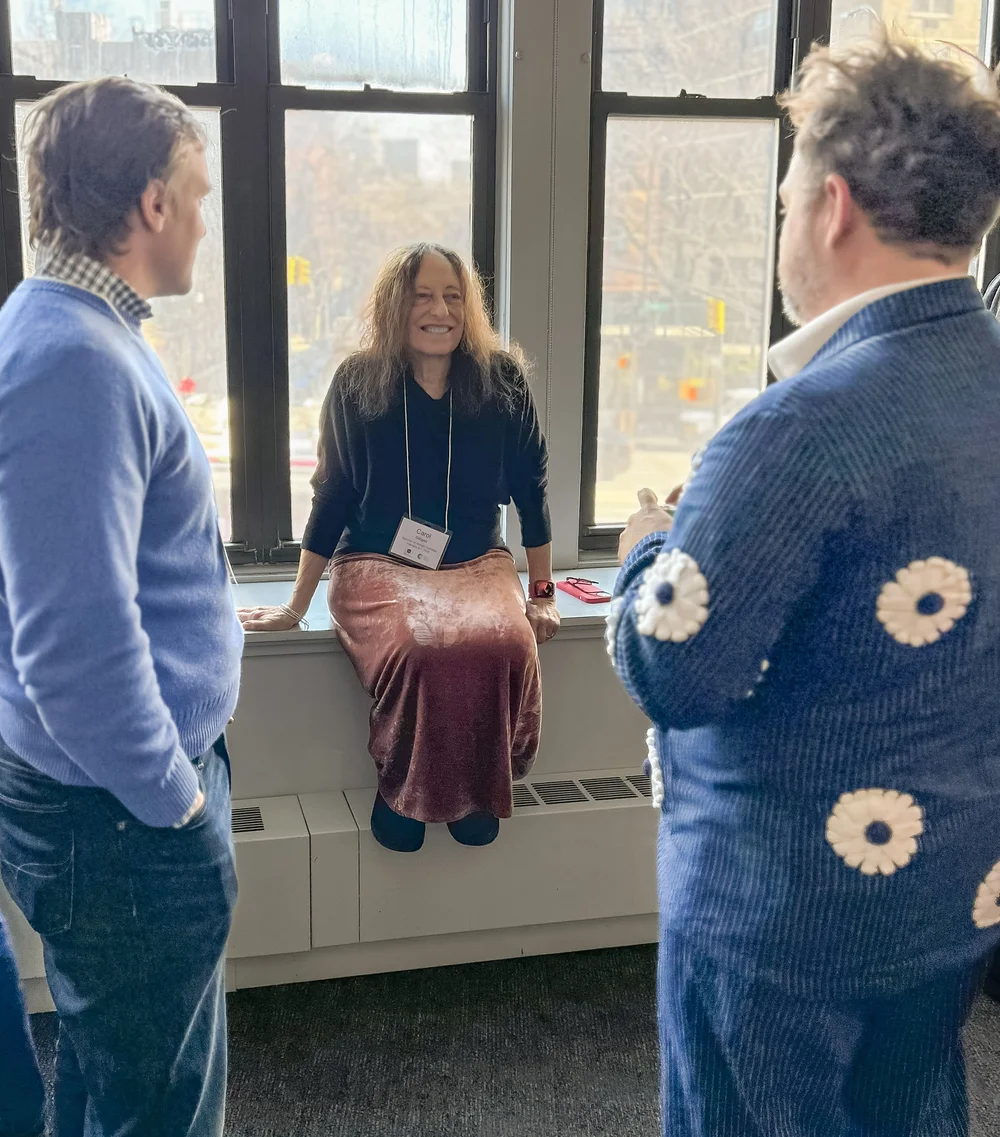
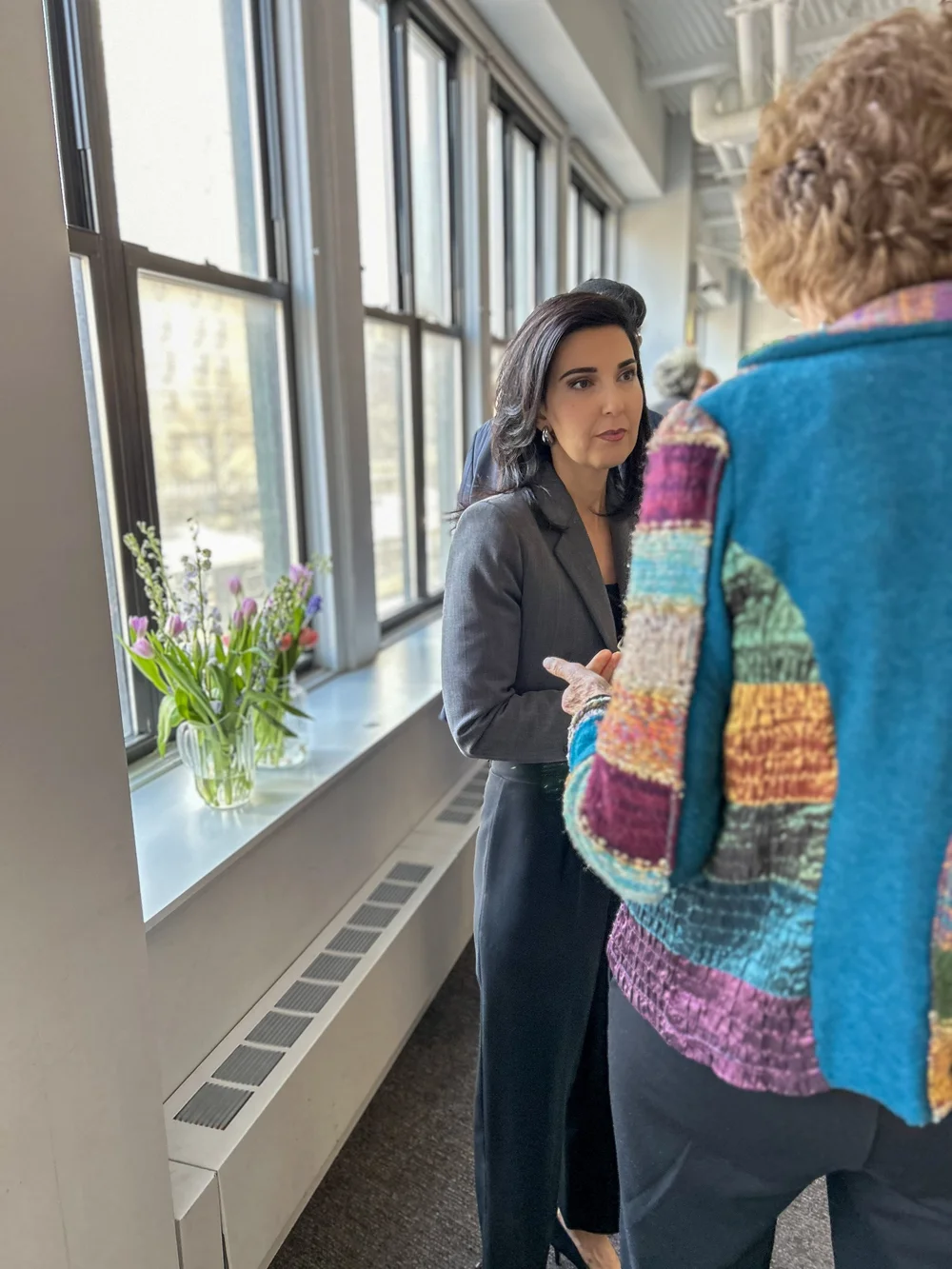
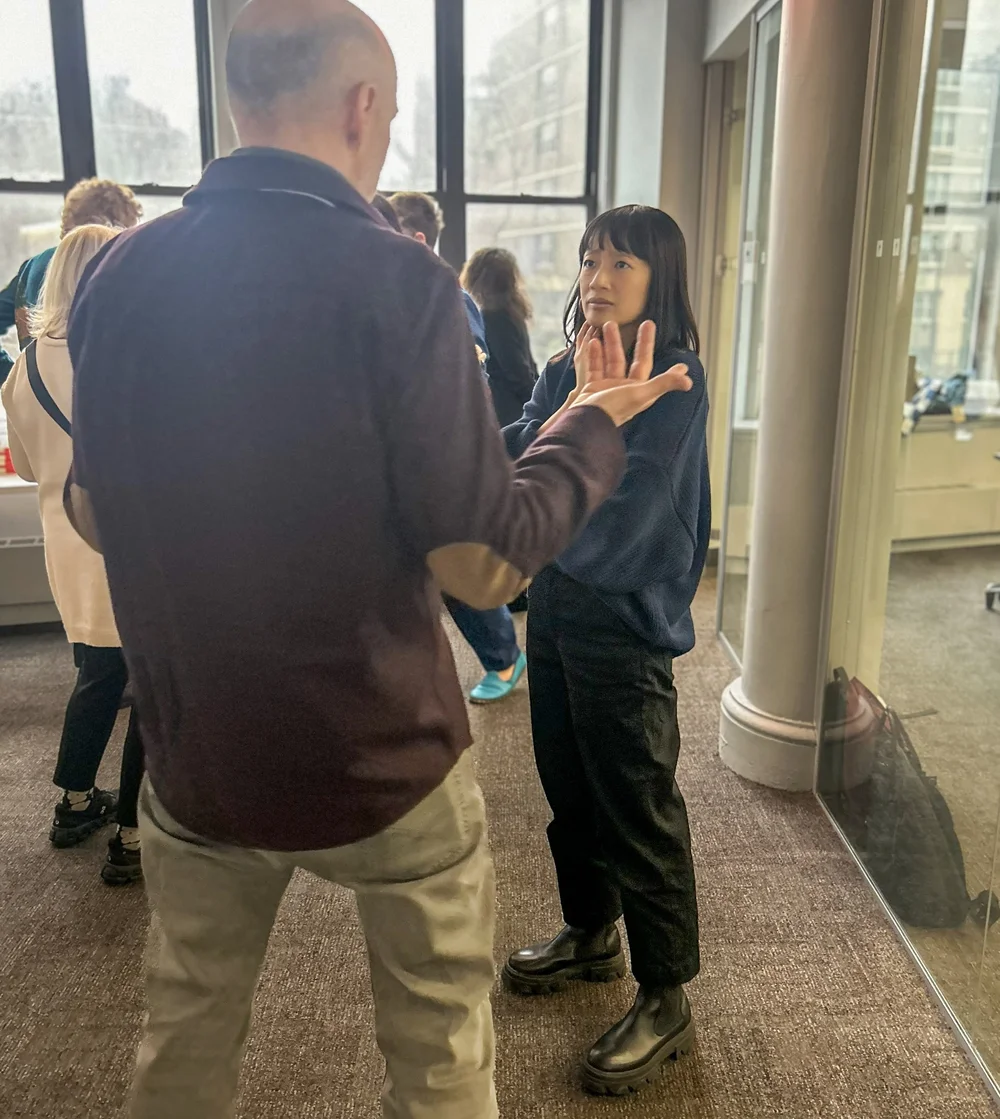
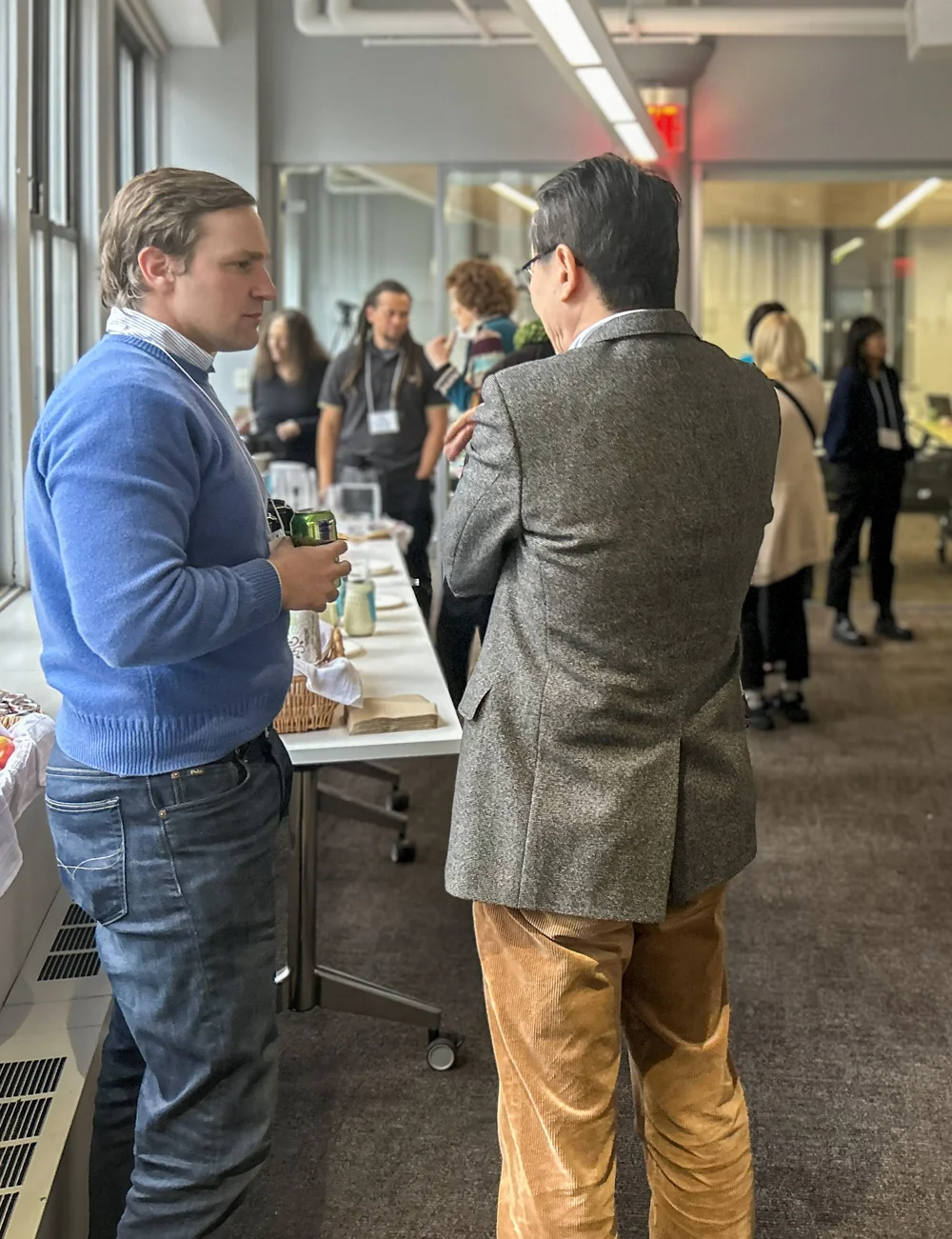
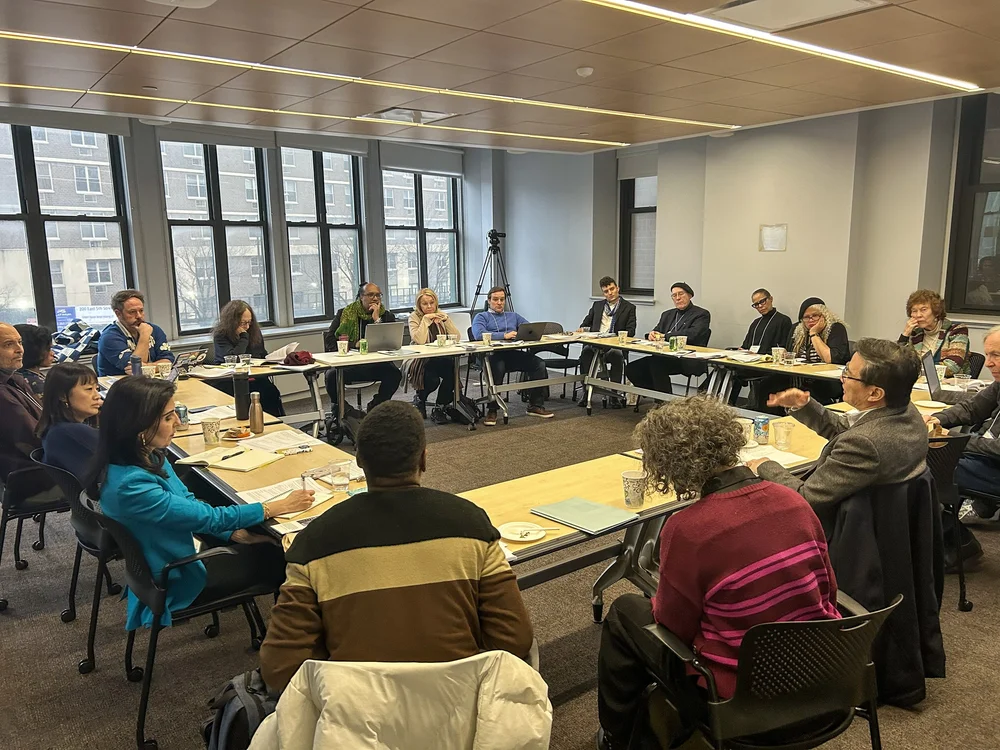
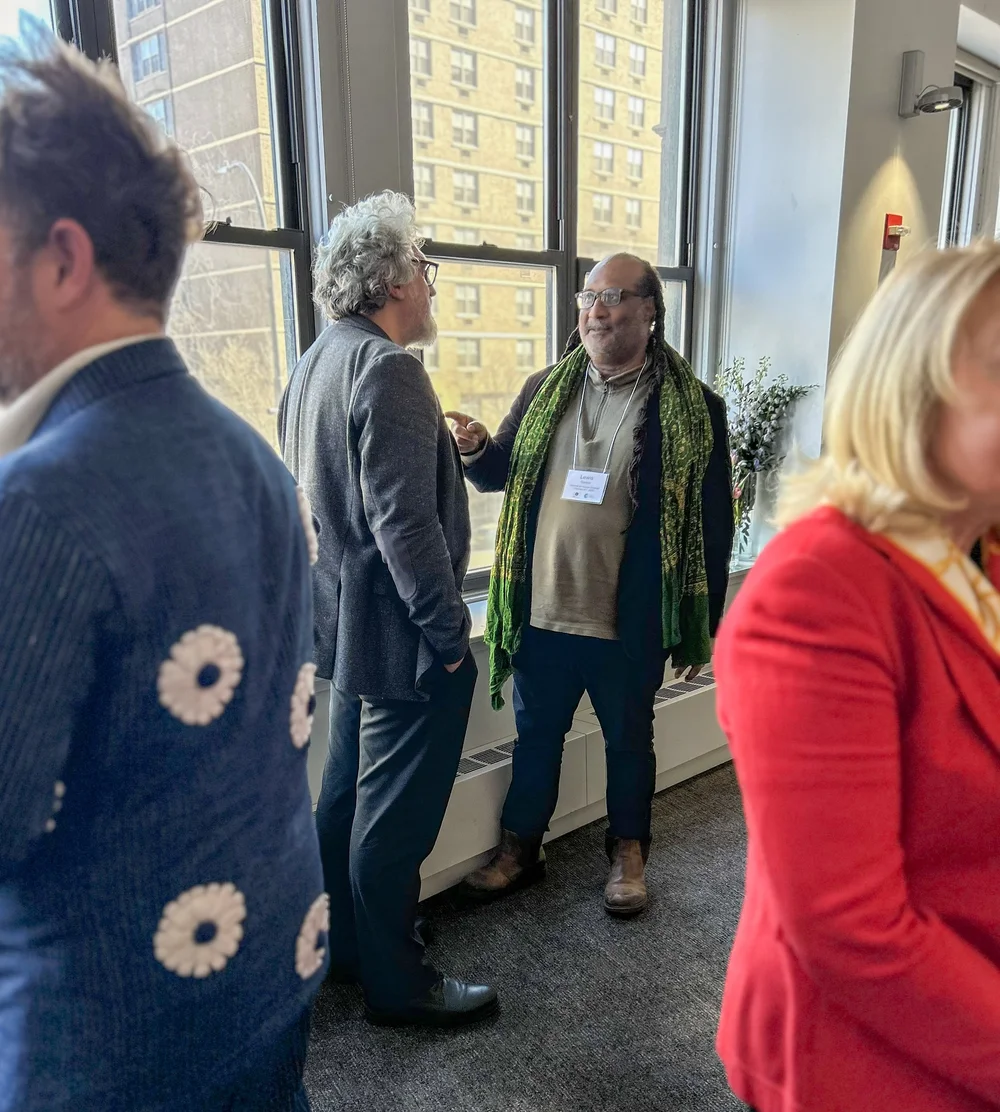
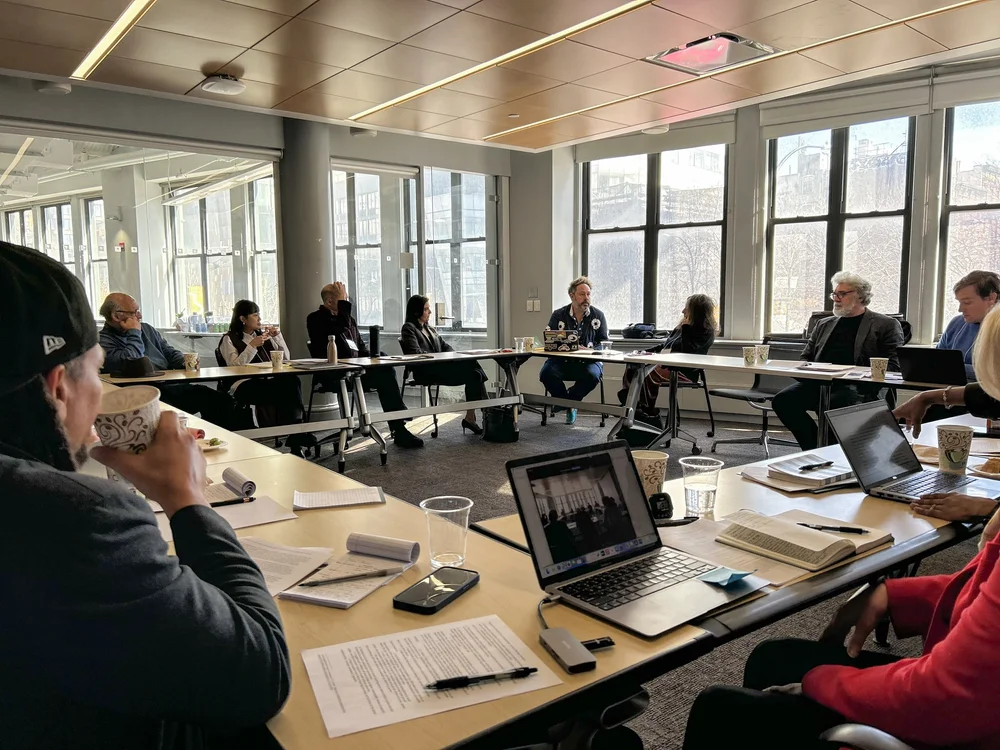
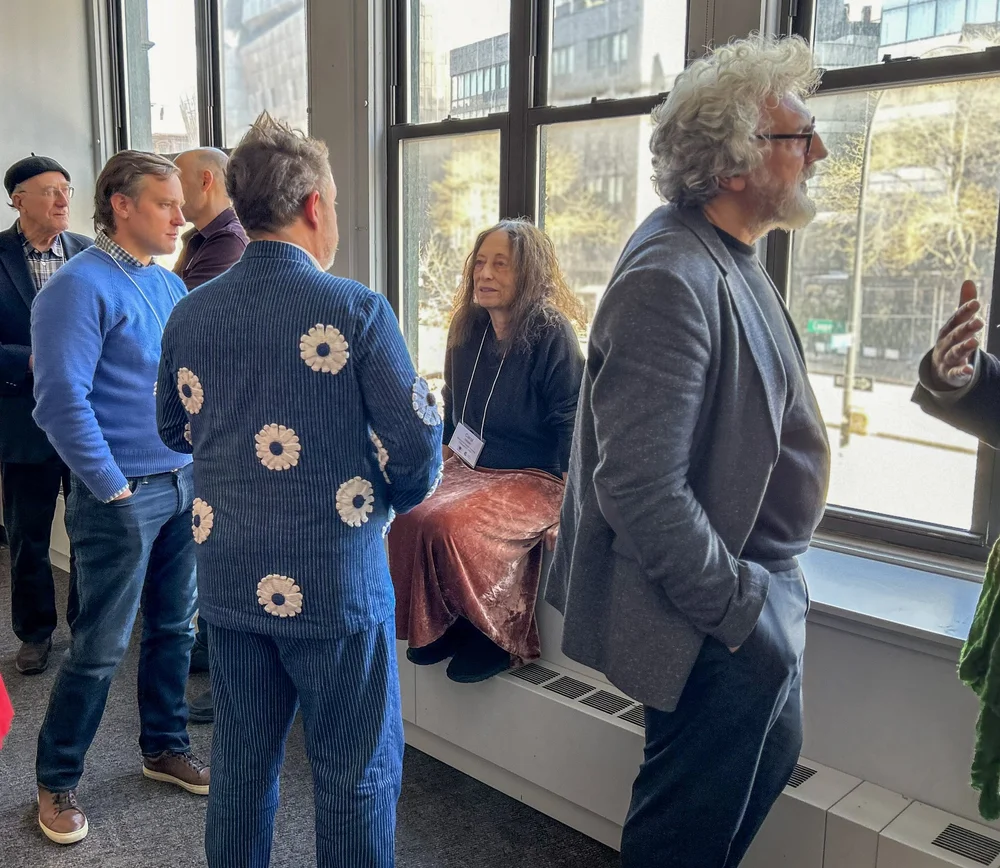
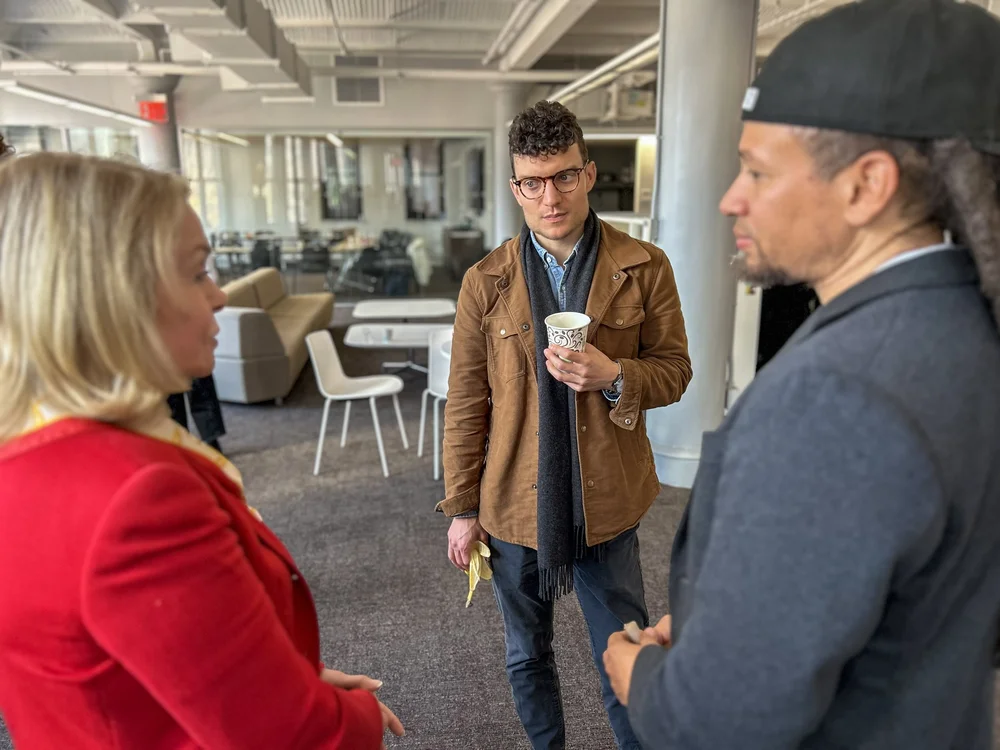
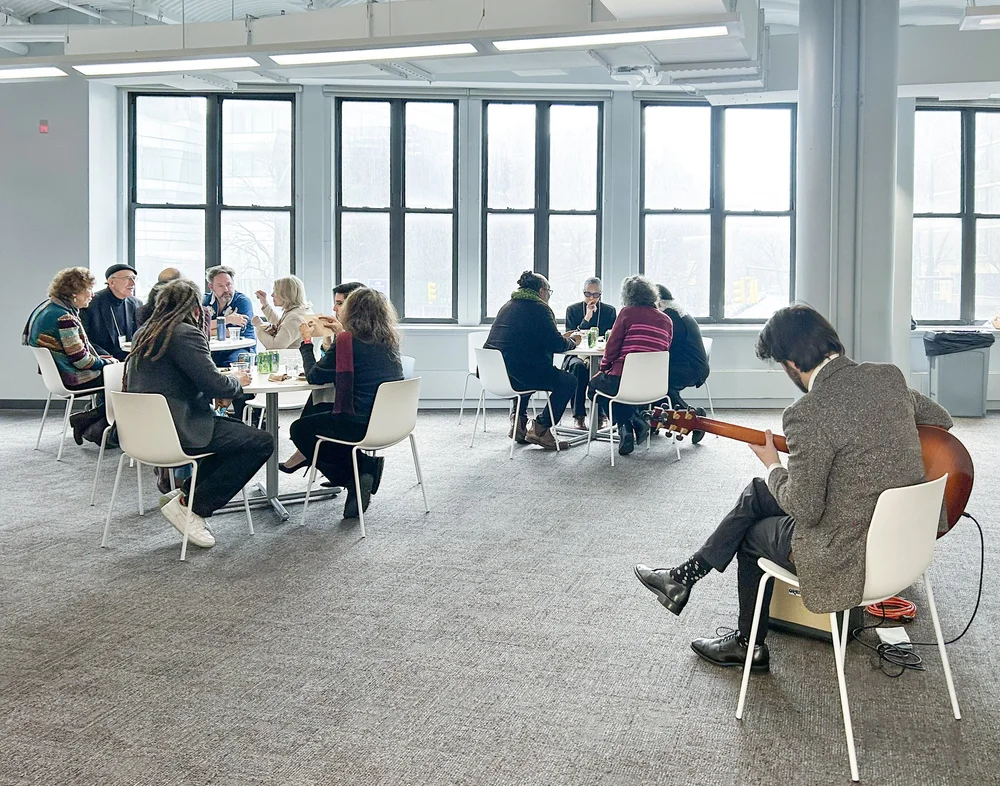
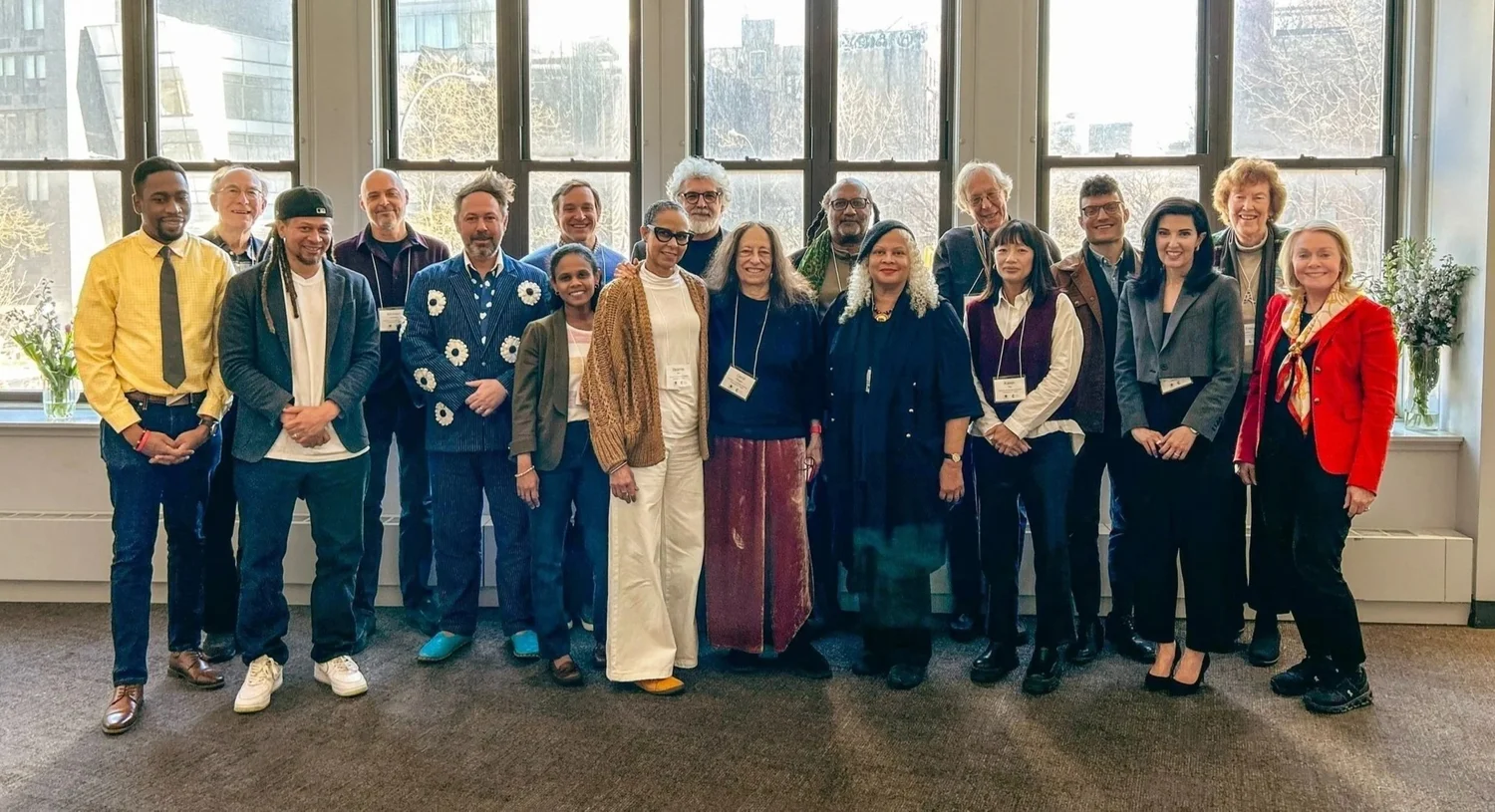
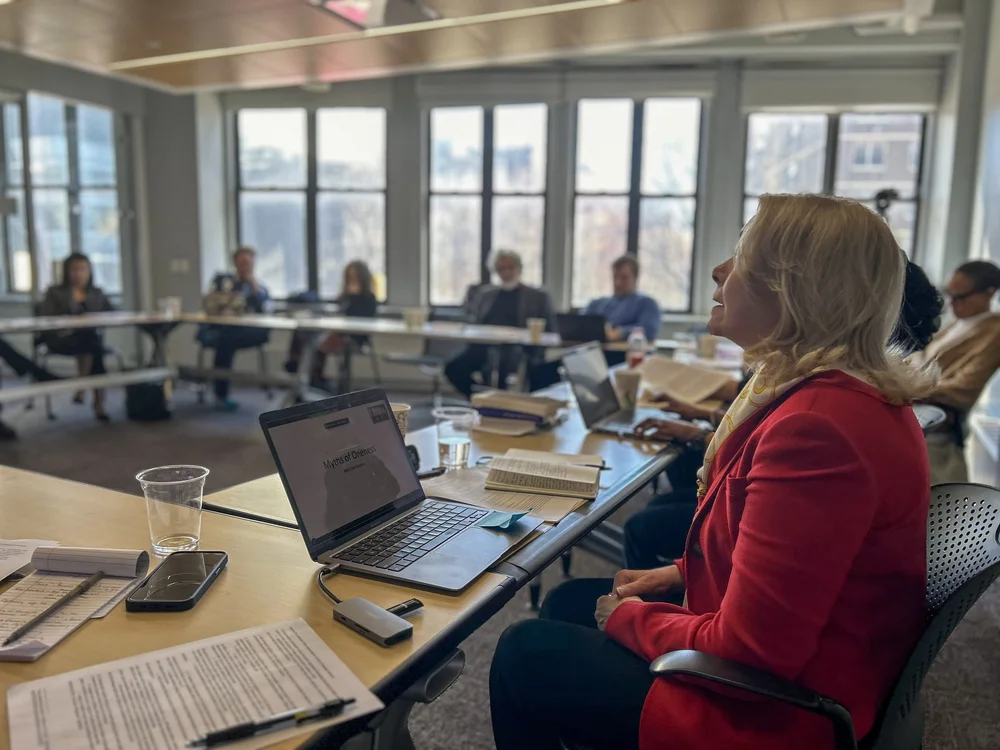
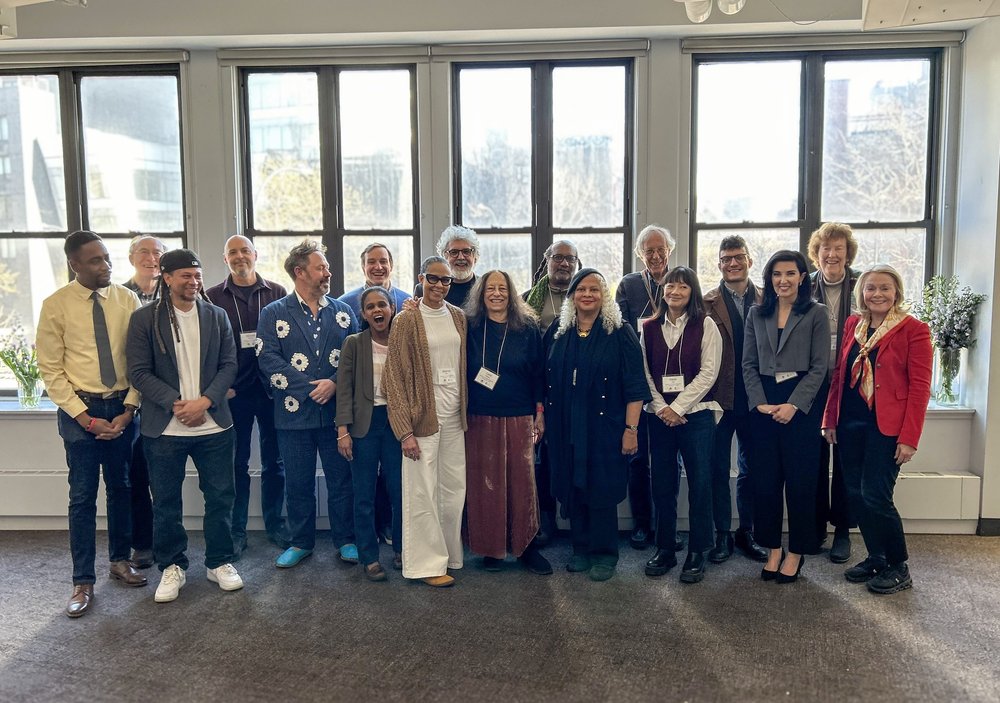
The concepts that express our shared humanity are proving inadequate to the challenges we face. Terms such as cosmopolitanism, humanism, and universalism can trigger unease in academic and public discourse, revealing that how we understand our oneness as human beings requires reconsideration. This transdisciplinary seminar gathered an international group of leading thinkers to take up that task.
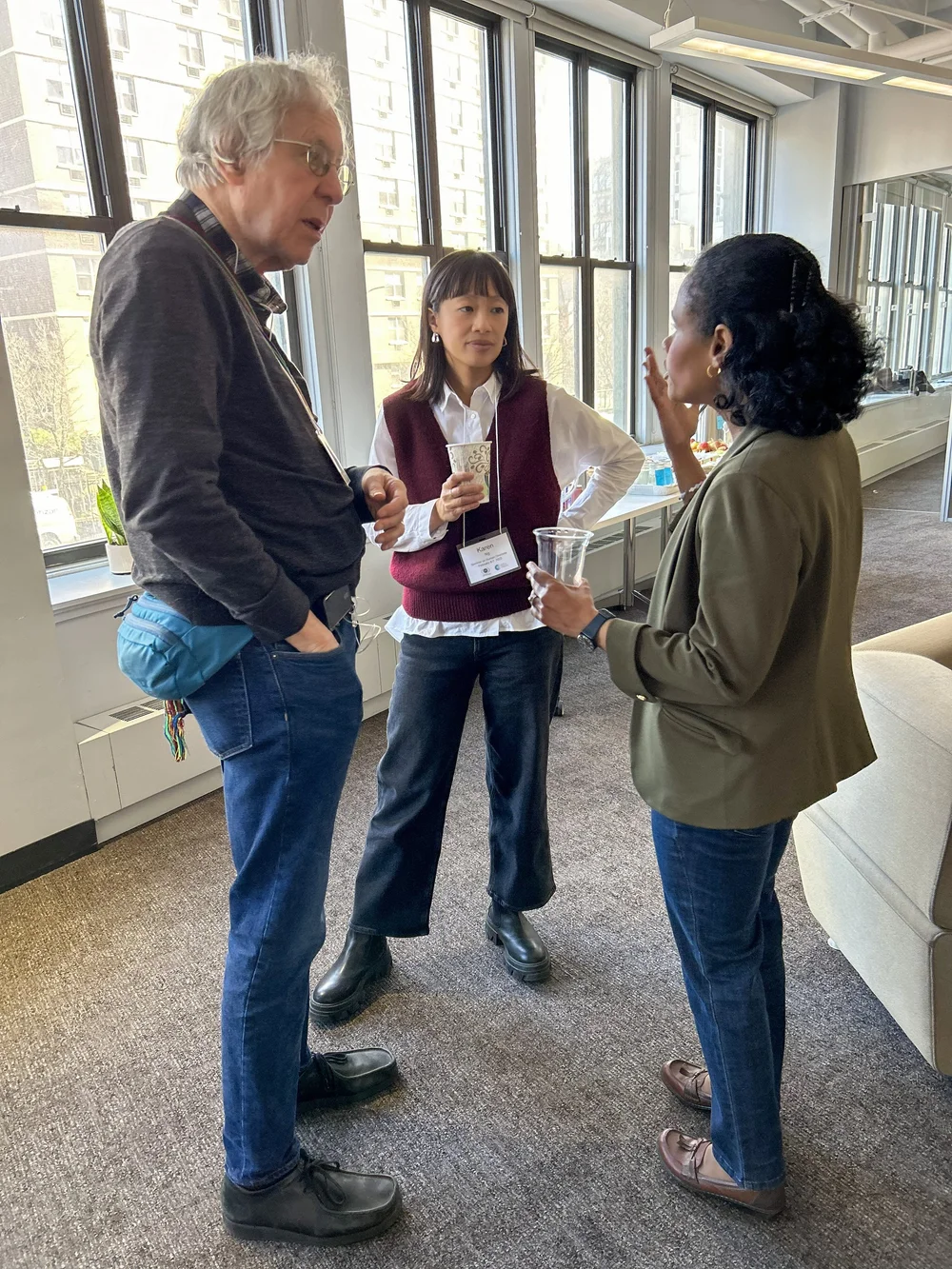
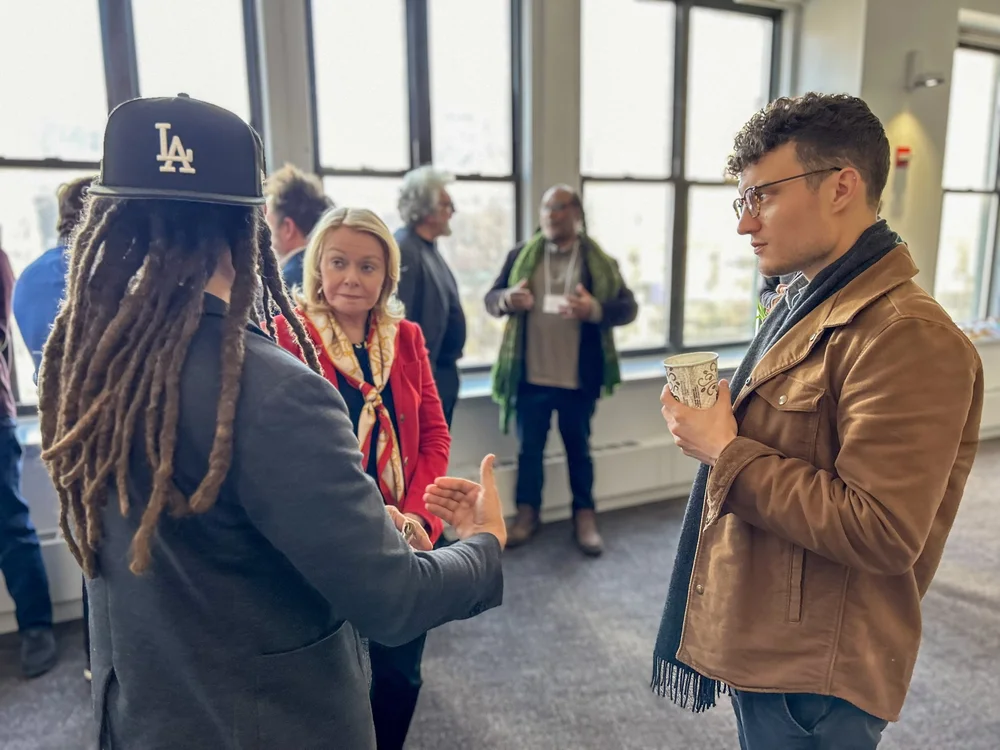
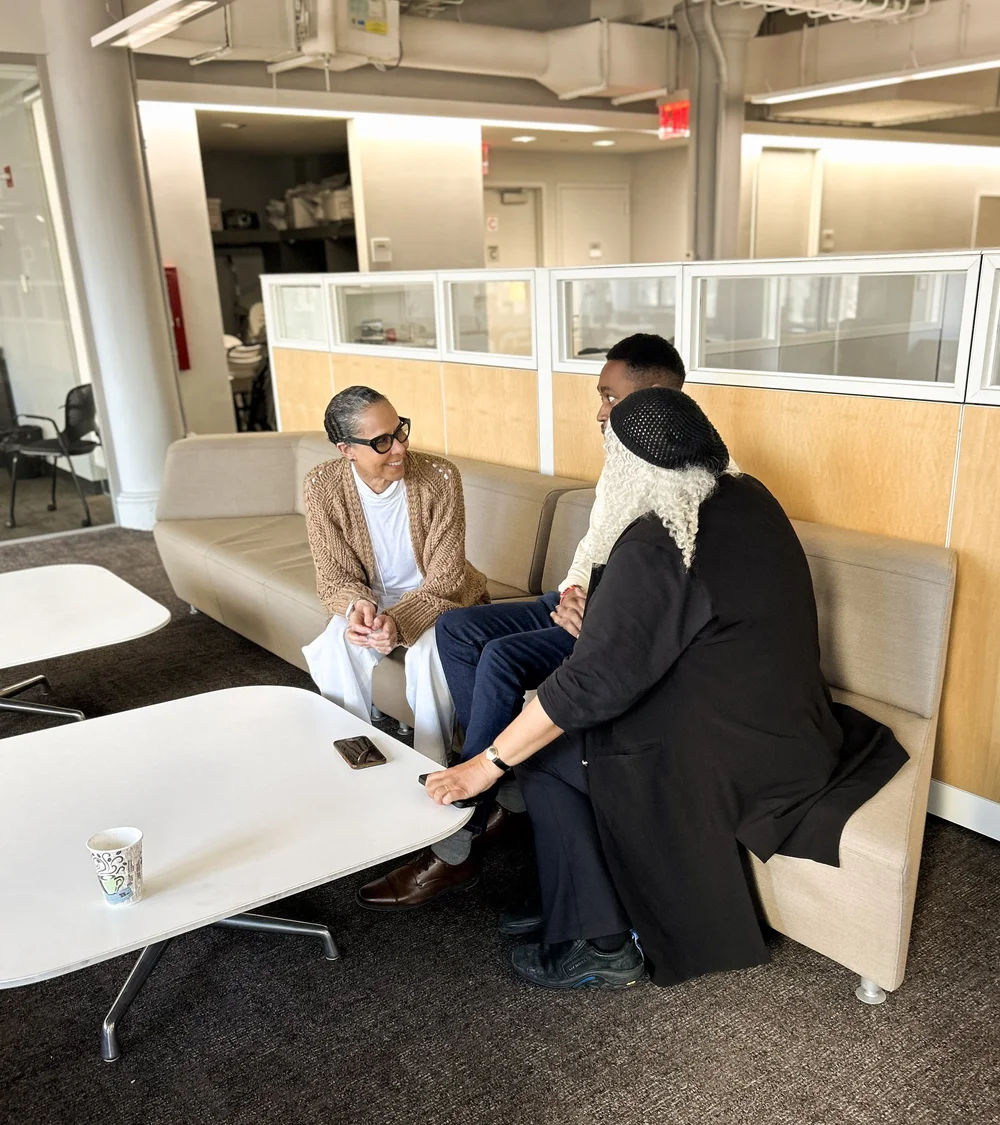
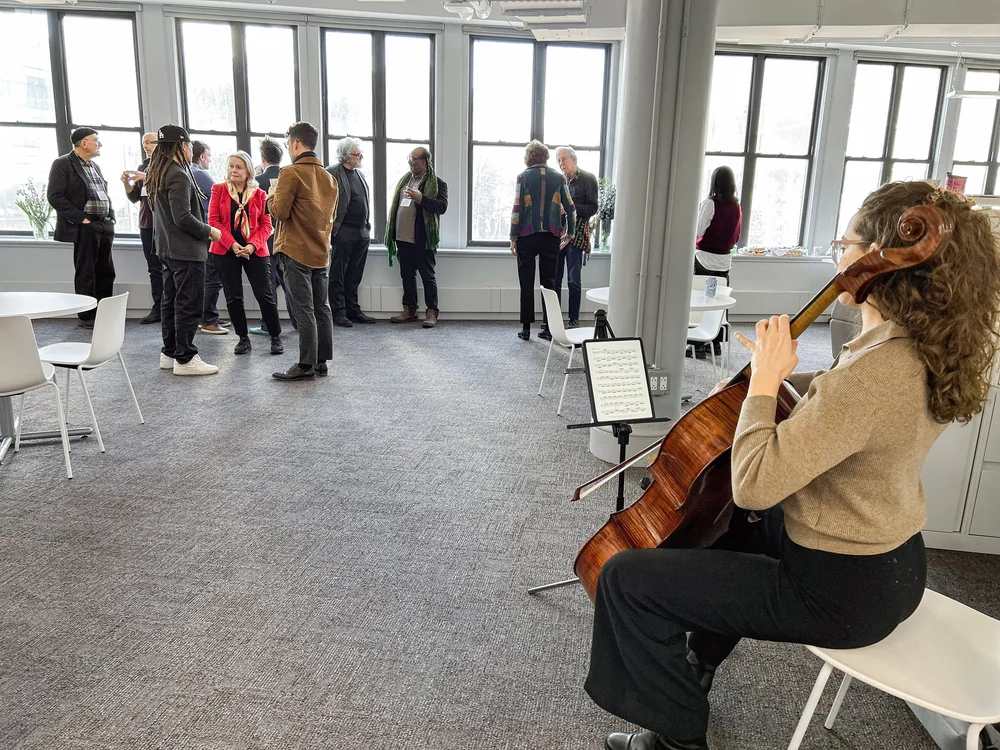
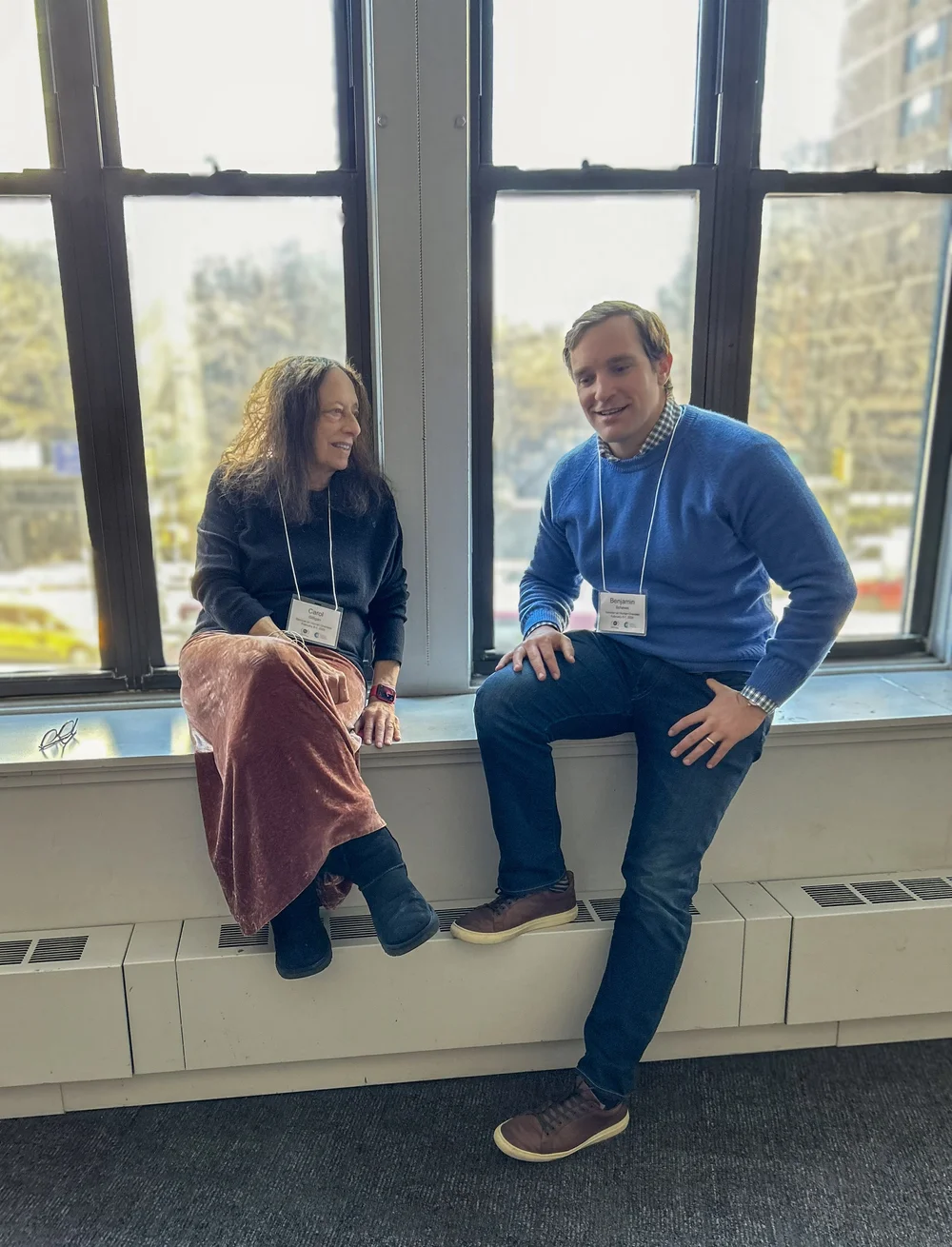
Over two days, participants constructively addressed the dilemmas that surround the concept of human oneness, including the tensions between unity and diversity, universalism and justice, essentialism and constructivism, the secular and the sacred, and human beings and their natural environment. The seminar is part of COMIT's effort to cultivate a sustained and dynamic community of inquiry on this essential theme.
The seminar was not open to the public. It was complemented by public sessions, including a book talk with Niobe Way.
Guiding Questions
Conceptualizing Human Oneness: Six Key Questions and Dilemmas
What constitutes the oneness of humankind? How should we understand the content of our shared humanity? How should the notion of essentialism be understood in relation to human oneness? How might the basis of human oneness be conceptualized to include the full and unqualified membership of all human beings?
How might human oneness be conceptualized to resolve the apparent tension between unity and diversity? How can a robust universalism promote and protect, rather than contradict, the essential diversity of humankind?
How could human oneness be conceptualized to promote deeper relationships of justice? What practices or institutions would illustrate this new concept of oneness and the relationships it entails?
How might human oneness be conceptualized to recognize our profound and organic embeddedness with the natural world, and to illumine our distinctive role as human beings in relation to the Earth and other creatures?
How might human oneness be conceptualized to draw upon and reflect the spiritual heritage of humankind?
How might human oneness be conceptualized to find transformative expression at all levels of society, including in the local and national spheres? How would the story of the United States be transformed if the quintessential ideal of independence were complemented by the ideals of oneness and interdependence? What kind of national narratives and identities might the concept of human oneness create?
Participating Voices
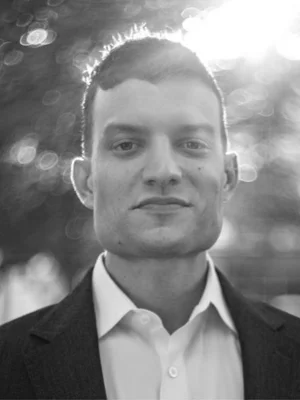
Center on Modernity in Transition
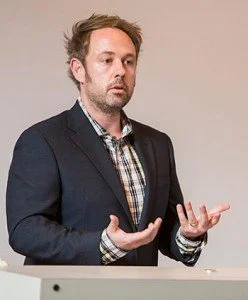
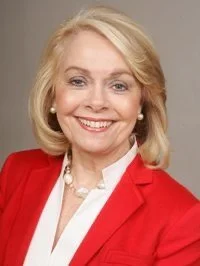
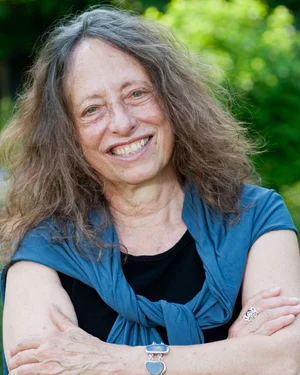


Center on Modernity in Transition
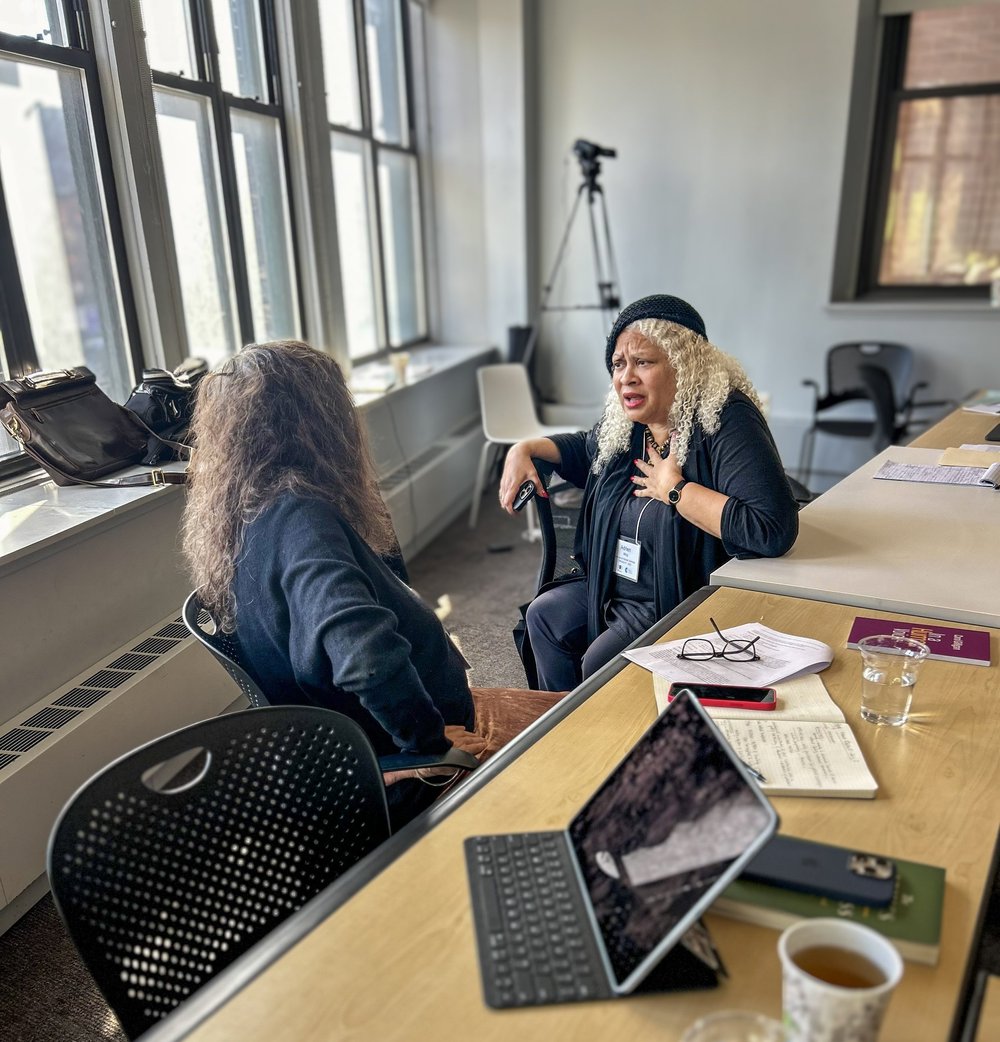
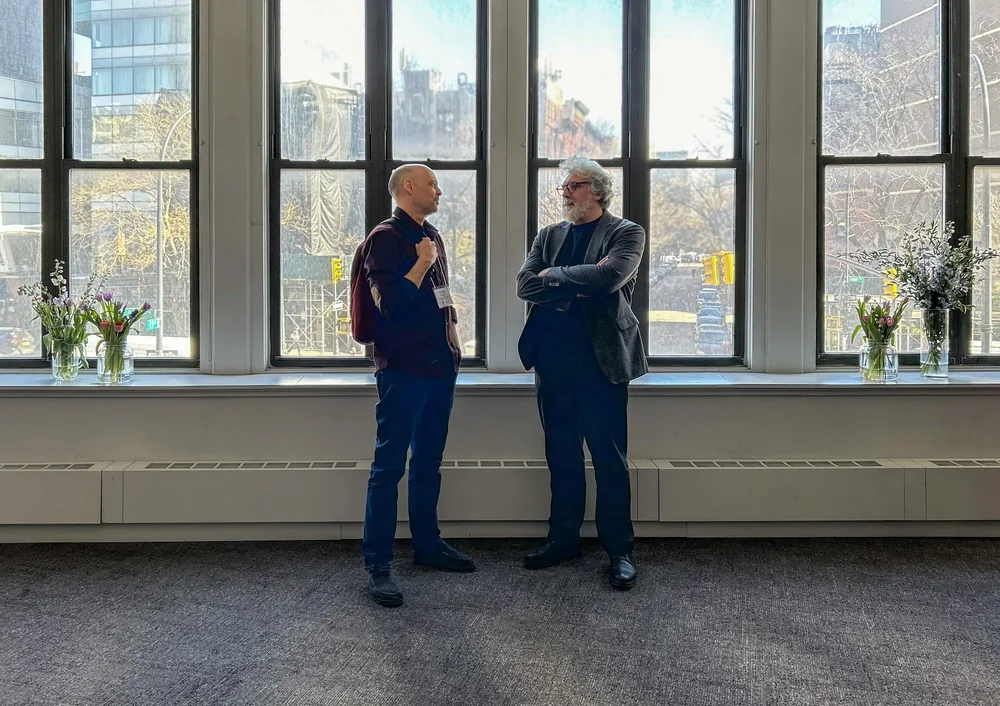
Photos
View all photos (25) ↓Show fewer photos ↑